

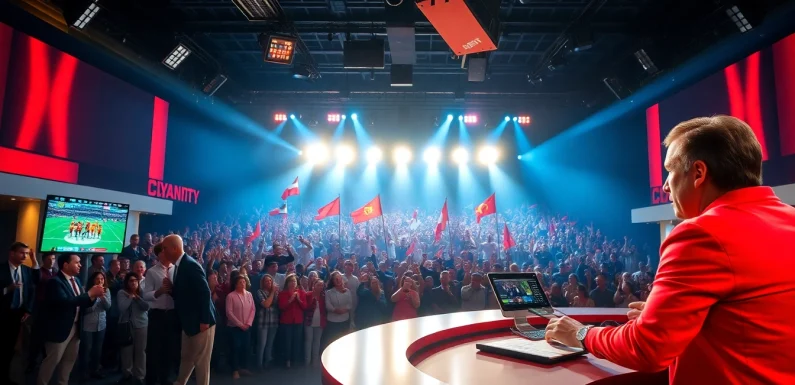
Understanding Sports Broadcasting
Definition and Importance
Sports broadcasting involves the dissemination of sports events via television, radio, and digital media platforms to a broad audience. This vital sector not only entertains but also informs viewers about the latest happenings in sports, athletes, and teams. The significance of Sports Broadcasting lies in its ability to connect fans with their favorite sports, offering them an immersive experience that enhances their enjoyment and engagement.
Evolution Over Time
The journey of sports broadcasting can be traced back to the late 1920s, when the first live radio broadcasts of sports events began capturing listeners‘ attention. Fast forward to the invention of television in the 1950s, and sports broadcasting entered a new era, revolutionizing how fans consumed sports content. Today, with the emergence of streaming services and social media, the broadcasting landscape has transformed dramatically, offering on-demand access and real-time updates, thus altering how audiences experience sports.
The Role of Technology
Technology plays a crucial role in sports broadcasting, shaping how events are captured and delivered. High-definition cameras, drones, and multi-angle viewing allow audiences to experience events from unique perspectives. Additionally, advanced data analytics helps broadcasters provide real-time statistics and insights that deepen viewer engagement. As technology continues to evolve, it empowers producers to enhance storytelling in sports, making the experience more enriching and interactive for viewers.
Key Skills for Sports Broadcasters
Communication Proficiency
Effective communication is fundamental for sports broadcasters. They must articulate information clearly and engagingly, whether through verbal commentary or written content. Good broadcasters continuously work on their diction, tone, and pace to keep their audience’s attention. Furthermore, they should adapt their communication style based on the platform—what works on radio may differ from what resonates on television or online.
Research and Analysis
In-depth research is crucial for credible sports broadcasting. Broadcasters should stay updated on teams, players, and league news, ensuring accuracy in their commentary. Moreover, they should analyze trends and patterns in games, providing insights that enhance the viewer’s understanding. This analytical capability not only enriches the broadcast but also establishes the broadcaster’s credibility among fans.
On-Air Presentation
On-air presentation encompasses both physical demeanor and personality. Broadcasters must portray confidence, enthusiasm, and authenticity while presenting. A strong on-air presence helps build rapport with the audience, fostering loyalty and increasing viewer retention. Developing this skill may involve practice in front of cameras, refining body language, and perfecting vocal delivery.
Various Formats of Sports Broadcasting
Live Coverage vs. Recorded Shows
Live coverage offers real-time insight and excitement as events unfold, creating an immersive experience for viewers. However, recorded shows allow for editing and curation, making it possible to highlight key moments or provide in-depth analysis. Both formats have their place in sports broadcasting, appealing to different audience preferences and enhancing overall engagement with the sport.
Radio vs. Television Broadcasting
Radio broadcasting emphasizes audio storytelling, relying on the broadcaster’s voice to convey excitement and details of the game. This form allows listeners to imagine the action, fostering a deep connection with the sport. On the other hand, television broadcasting combines visuals with audio, enabling audiences to see the action as it happens. Each medium requires different skills and caters to distinct audience segments, making both essential in the sports broadcasting ecosystem.
Digital Media Platforms
With the rise of social media and streaming platforms, digital media has transformed sports broadcasting. Fans now expect real-time updates, highlights, and interactive content through multiple channels, including apps and social networks. Broadcasters must leverage these platforms to engage audiences effectively, offering personalized content that resonates with today’s digital-savvy consumers.
Challenges in Sports Broadcasting
Industry Competition
The sports broadcasting industry is highly competitive, with numerous networks vying for viewers‘ attention. This competition necessitates constant innovation in content delivery and presentation styles. Broadcasters must differentiate themselves through unique programming, expert analysis, and engaging personalities to stand out amidst the crowded landscape.
Viewer Engagement
Maintaining viewer engagement is increasingly challenging; audiences have a plethora of entertainment options at their fingertips. Broadcasters must create content that captivates and retains attention, using storytelling techniques, expert insights, and interactive segments. Additionally, understanding audience demographics and preferences can help broadcasters tailor their offerings to maximize engagement.
Maintaining Accuracy
In an era of fast-paced news cycles, maintaining accuracy in sports broadcasting is paramount. Mishaps can lead to misinformation and damage reputations. Broadcasters must implement thorough fact-checking processes and build relationships with credible sources to ensure authenticity in their reporting. Additionally, fostering a culture of accountability and transparency can help mitigate potential errors.
Future Trends in Sports Broadcasting
Emerging Technologies
Emerging technologies such as virtual reality (VR) and augmented reality (AR) are set to revolutionize sports broadcasting further. These technologies offer fans immersive experiences that engage them more deeply than traditional broadcasts. VR allows fans to feel as if they’re in the stadium, while AR can provide real-time stats overlayed on the game, enriching the viewing experience.
Interactive Broadcasting
As viewer preferences evolve, interactive broadcasting is gaining traction. Audiences now desire control over how they consume content, leading to personalized viewing options. Features like customizable camera angles, interactive polls during live events, and viewer-driven highlights cater to this demand. Broadcasters must embrace these interactive elements to keep up with the evolving landscape of viewer expectations.
Global Broadcasting Strategies
Globalization presents both opportunities and challenges for sports broadcasting. As sports gain international popularity, broadcasters must adopt global strategies to cater to diverse audiences. This includes understanding regional preferences, cultural nuances, and leveraging partnerships to expand reach. Successful broadcasters will need to balance local content with global appeal to thrive in an interconnected world.
Frequently Asked Questions
What qualifications do I need for a career in sports broadcasting?
A degree in communications, journalism, or a related field, alongside experience in media, can be beneficial for a career in sports broadcasting. Building a portfolio through internships and practice is crucial.
How can I improve my on-air presentation skills?
Practice regularly in front of a camera or microphone, seek constructive feedback, and watch experienced broadcasters to learn effective presentation techniques.
What are some effective engagement strategies for broadcasters?
Use social media to interact with fans, create polls and Q&A sessions, and ensure content is responsive to audience interests to enhance engagement levels.
What role does technology play in sports broadcasting?
Technology enhances the viewing experience through high-definition visuals, analytics for real-time data, and integrates social media for broader audience engagement.
How can I stay updated on industry trends in sports broadcasting?
Follow industry publications, attend conferences, network with professionals, and stay informed on emerging technologies and viewer preferences for continuous learning.
